This post is also available in:
 Español (Spanish)
It won’t take a long time to get to visit the most significant attractions of the “Island of Volcanoes”. However, you’ll need to know how to get around, how much money to bring, what clothes to pack, understand the local cuisine, and determine the best time to visit. With these tips for travelling to Lanzarote from First Minute Transfer, we aim to address these and other queries visitors might have.
Why Is Lanzarote a Special Destination?
Lanzarote offers everything you need for a short yet unforgettable holiday: volcanic landscapes, breathtaking hiking trails, urban and remote beaches, vineyards, and traditional cuisine. What’s more, the island enjoys a pleasant climate all year round, perfect for exploring its natural wonders.
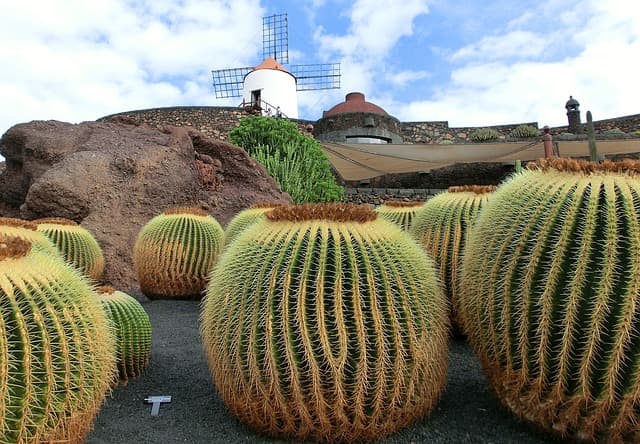
But Lanzarote is more than just stunning scenery. You’ll also discover the unique architectural legacy of César Manrique, who transformed natural spaces into must-visit tourist attractions – such as a former quarry turned into a Cactus Garden, a lava tube that became the Jameos del Agua, and the Mirador del Río viewpoint, seamlessly blended into the cliff.
Weather and Winds
Lanzarote boasts a privileged, stable climate year-round, with mild temperatures, plenty of sunshine, and very little rainfall. Sea temperatures range between 18°C and 20°C.
The prevailing winds are the trade winds, especially prominent in spring and summer, which make the northern coast ideal for water sports – with Famara Beach being a top spot. The south of the island is more sheltered due to its mountainous terrain.
Occasionally, you may experience the “calima” – a warm wind from the Sahara that brings suspended dust. It’s less frequent, but worth being aware of.
Before You Book: Key Things to Know
Best Time to Visit Lanzarote
Lanzarote is a favourite destination for Europeans, especially during the winter when they seek to escape the freezing temperatures on the mainland.
Therefore, December and January are busy months in Lanzarote. Additionally, the high summer season starts from mid-June, increasing visits and prices. The quietest time is between May and the first weeks of June.
Depending on the activities you plan to do, you can consider which months to travel. If you’re looking to enjoy the sun, June to September is a good time. For trekking around the island, November to May is a good period. And if you want to swim in the ocean, August to October is advisable.
Plan Your Travel Itinerary
Perhaps this is your first trip to Lanzarote, and you’re unsure where to begin organizing your journey to Lanzarote. To do this, you should:
- Decide how long you’ll spend at this destination. Although it’s the fourth largest of the Canary Islands, in three days you can cover the most important sites. You might add a couple more days if you wish to visit less crowded spots, trek along a trail on foot or by bike, or enjoy some sports activities like surfing or diving.
- Determine which places you want to visit; Lanzarote isn’t just about volcanoes and beaches. There are also vineyards, villages, and a significant number of cultural and art centres. You can find out about events at these venues on the Cabildo Lanzarote website.
- Make a list of everything you want to do from the moment you arrive. This will help you make important decisions, such as whether it’s convenient to rent a car, how much money you’ll need, when and where you’ll stop for meals, etc.
With these travel tips for going to Lanzarote, we hope to help you plan everything smoothly.
Budget and Saving Tips
Your travel budget will depend on what you plan to do, but there are several ways to save money. For example, when it comes to accommodation, avoid large hotels and opt for areas outside the main resorts, such as Teguise or Haría.
If you’re only planning to visit the most popular tourist spots (like Timanfaya or Jameos del Agua), a guided tour might be cheaper than the daily cost of hiring a car and paying for fuel.
Choosing accommodation with a kitchen can also help you save – you can shop at local markets or farmers’ markets and prepare at least your breakfasts and snacks for days out at the beach or on excursions. And if you do eat out, look for restaurants offering a Menu del Día or head to local tapas bars.
Beaches are one of Lanzarote’s main attractions – and they’re free. Many hiking routes are also free to access, so make the most of these no-cost activities.
Transport and Getting Around Lanzarote
Getting to Lanzarote: Flights, Ferries & More
The easiest way to reach Lanzarote is by flying direct from many European cities. Budget airlines often offer flights for under €25.
Alternatively, you can fly to another island in the archipelago and then travel to Lanzarote from there. In this case, the most economical options are Gran Canaria and Tenerife.
If you wish to bring your car, you can opt for a ferry to the island.
Whichever option you choose, keep in mind that purchasing your ticket in advance will be cheaper.
Car Hire vs Public Transport
Bringing a car to the island isn’t always an option, so you’ll need to know how to move from one place to another during your trip. You can choose from the following:
- Public transport is very efficient; the buses – referred to as ‘guaguas’ by the locals – cover various routes and schedules. You can reach almost any place, although for remote or hidden sites it’s better to look for another alternative.
- Renting a car won’t cause any issues with transport schedules, and you’ll have full control over your travel plans. Fuel taxes are lower than on the mainland, so you’ll pay less to fill up the tank. If you opt for this choice, review these driving tips in Lanzarote.
- Hiring a taxi service is a good alternative if you want to deviate from the regular public transport routes. You’ll have the advantage that drivers know all the routes, and you won’t have to worry about finding your way on your own.
- For transfers to and from the airport, a Lanzarote transfer service is advisable.
- To visit tourist sites, you can also book some of the excursions in Lanzarote. We organize private tours for a more comfortable experience and to explore the island with expert guides.
Where to Stay in Lanzarote: Finding the Right Area
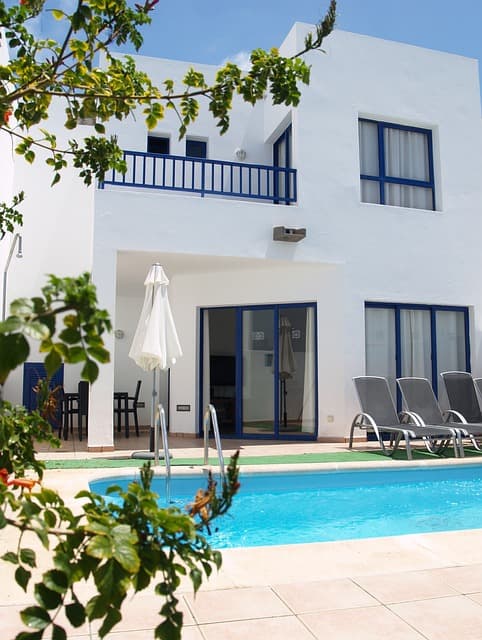
When asking for travel advice to Lanzarote, many will recommend staying in Playa Blanca or Puerto del Carmen. These are great places, but around the entire island, there are other accommodation options available at good prices.
The best place to stay in Lanzarote depends on what you’re looking for. If nightlife is your thing, and you don’t mind bumping into many tourists, then those areas will suit you well. However, if you prefer something quieter, there are options, for example, Costa Teguise is ideal for families, and Arrecife offers a more urban environment.
Distances in Lanzarote are not very long; you can get from the south to the north of the island by car in an hour. Staying in the centre of the island ensures better access to any point.
What to See and Do in Lanzarote
Suggested 3–5 Day Itinerary
Day 1 – Southern Lanzarote
- Timanfaya National Park (Volcano Route).
- Charco de los Clicos.
- Salinas de Janubio & Los Hervideros.
- Playa Blanca (sunset and dinner).
Day 2 – Northern & Cultural Highlights
- César Manrique Foundation.
- Cueva de los Verdes.
- Jameos del Agua.
- Mirador del Río.
Day 3 – Relax & Unwind
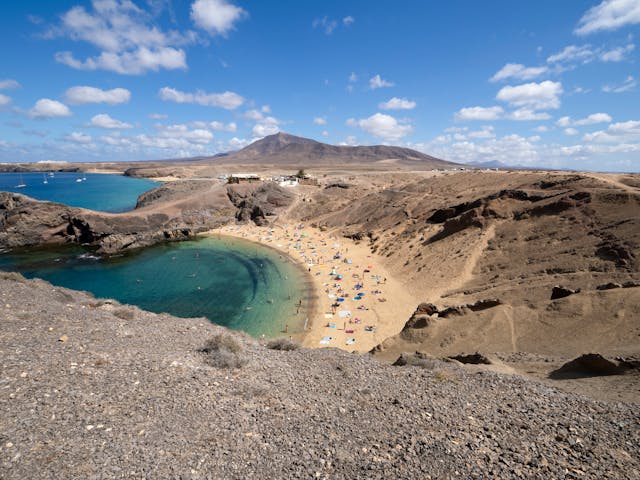
- Playa de Papagayo (swim and snorkel).
- Historic village of Teguise.
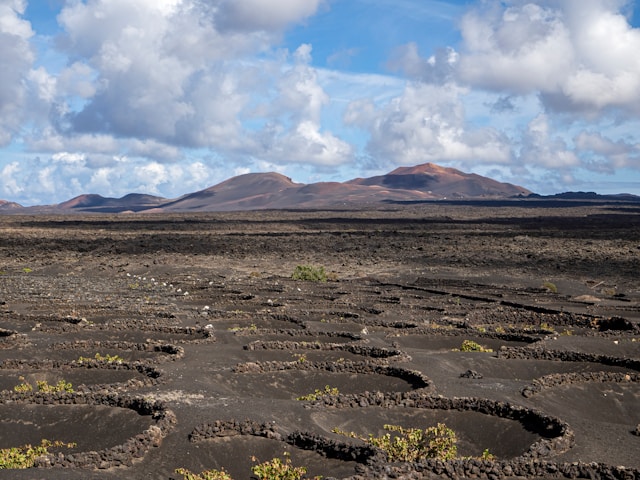
- Wine tasting in La Geria.
More time? Add a day trip to La Graciosa from Órzola, visit Teguise Market, explore the southern beaches and Marina Rubicón, or go hiking along one of the island’s many scenic trails.
Beaches
In recommendations for visiting Lanzarote, its famous beaches are a must. Among the most popular are Papagayo Beach, Dorada Beach, and Del Carmen Beach; all with golden sands and crystal-clear waters. There are also black sand beaches like Famara Beach, perfect for water sports, and El Golfo and Las Conchas beaches are also very popular.
You’ll also find coves and small beaches perfect for relaxed beach days, with dreamy landscapes.
Charming Villages
The most traditional and picturesque villages in Lanzarote are full of history and traditions worth exploring. Among them are: Teguise, Haria, Yaiza, Arrecife, Tinajo, and Famara.
Essential Excursions
A trip to Timanfaya National Park is a must for your itinerary, offering a landscape filled with craters, volcanoes, and lava rivers. Jameos del Agua also provides a tour through a lava tunnel and an underground lake.
The Green Caves, the Cactus Garden, and Los Hervideros are two other natural spaces you won’t want to miss.
What Clothes to Bring
The climate in Lanzarote is pleasant throughout the year, with temperatures ranging between 17 and 24 °C. During the day, you can wear t-shirts and shorts or dresses. While at the beach, sandals are fine, though for some beaches that require walking, comfortable shoes are advisable.
The wind can be strong, so a light windbreaker isn’t a bad idea. For evenings, bring a jacket, as temperatures drop after sunset.
Local Cuisine: What to Try and Where?
In Lanzarote, you’ll encounter simple yet delicious cuisine that you surely won’t want to miss. The fish and seafood are very fresh, and one of the best dishes you can have on the island is marinated tuna. Galician-style octopus, garlic prawns, and grilled limpets with green sauce are also exquisite.
Cheeses in Lanzarote are among the most traditional foods; generally made from goat’s milk, though cow and sheep milk are also used. If you’re a cheese lover, the fresh, soft, cured, and semi-cured varieties are a delight.
During your visit to Lanzarote, you must try volcanic chicken. This dish is roasted chicken, but it’s uniquely cooked with the geothermal heat of the volcanoes in Timanfaya National Park, giving it a unique juiciness and flavour.
The island’s wines are known for their excellent quality, with Malvasía, white, and sweet wines standing out.
Throughout the island, you’ll find restaurants and bars where you can enjoy traditional and delicious food. Those serving typical food are known as guachinches, where you can eat very affordably.
In places like Arrieta, Órzola, Arrecife, Puerto del Carmen, and Costa Teguise, you can enjoy fresh and delicious fish and seafood. In Yaiza, Teguise, and Nazaret, you’ll find exquisite stew dishes.
This guide we offer will help you have a clear travel plan. This is part of the essential information you should have before arriving at the island.
Do you have other tips for travelling to Lanzarote? Share them with our readers. If you’re planning your trip and need to know how to get around the island, book transfer from Lanzarote airport to Puerto del carmen.
.
This post is also available in:
Español (Spanish)