This post is also available in:
 Español (Spanish)
At First Minute Transfer, today we’re telling you what to do on the island of La Graciosa; this is the eighth inhabited Canary Island. As such, it’s a small hidden gem, located just 3 hours from Madrid. The solitude, serenity and silence of this island will be the perfect excuse to enjoy nature.
What you should know before visiting the island of La Graciosa in the Canaries
If you’re planning to enjoy the attractions of Lanzarote in November, you can also take the opportunity to visit La Graciosa, an island very close by that has plenty to offer.
The island covers 29 square kilometres, with just over 700 inhabitants spread across its two villages: Pedro Barba and Caleta del Sebo.
Geographically, it’s located to the north of Lanzarote and is part of the Chinijo Archipelago, alongside 4 other islets. Administratively, it falls under Lanzarote, within the municipality of Teguise. Economically, the island relies on tourism and fishing.
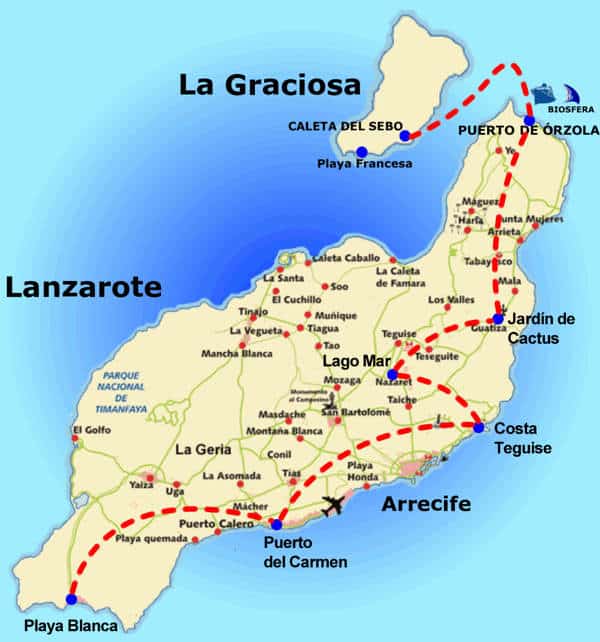
To get to the island, you can take the ferry; there are regular departures from the port of Órzola in Lanzarote. Every 30 minutes, you can catch a boat that will take you to La Graciosa.
According to ABC.es, the island receives 25,000 tourists a year. That can seem like a lot given the island’s small size and the limited services available.
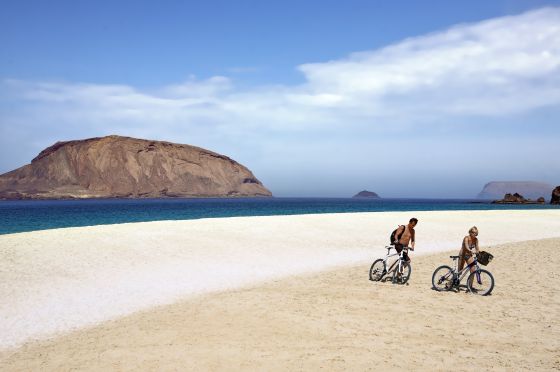
The island has no paved roads. Because there are no paved roads, there are only a handful of 4×4 vehicles. Most people get around by bicycle. Because of this, and its size, it feels a world apart from the other Canary Islands. Here, tourism isn’t geared towards the masses.
How to Get to La Graciosa: Ferry from Órzola
The only way to reach the island of La Graciosa is by ferry, as it has no airport. Several shipping companies offer this service, departing from the port of Órzola. The crossing covers roughly 5 nautical miles.
The round-trip ticket price for non-resident adults is €29, and €16 for children. Children under 2 travel free, and there’s no extra charge for bringing pets or bicycles.
Ferries depart for the island every 30 to 60 minutes throughout the day. Crossings start from Puerto de Órzola at 8:30 am; the return trips run between 18:00 and 19:30 (these times may vary by season).
It’s best to plan your trip in advance and contact the shipping companies that operate the route. That way, you can be sure of departure times and prices.
There are several ways to get to Puerto de Órzola: hire a car, take the bus from Arrecife, the capital of Lanzarote, or book a private transfer service directly from the airport.
Where to Stay on the Island of La Graciosa
When you arrive on one of the ferries mentioned above, you’ll land in Caleta del Sebo, where the island’s accommodation and restaurants are found. As this is a destination for a quieter kind of tourism, you won’t find large crowds or extensive tourist facilities.
The streets are made of flattened sand, the houses are small, and everything is painted in shades of white, blue and green.
It’s best to book ahead, as being such a small island means there’s limited availability, especially during peak season. Options include private houses, guesthouses, flats and even camping areas.
What to Do on the Island of La Graciosa
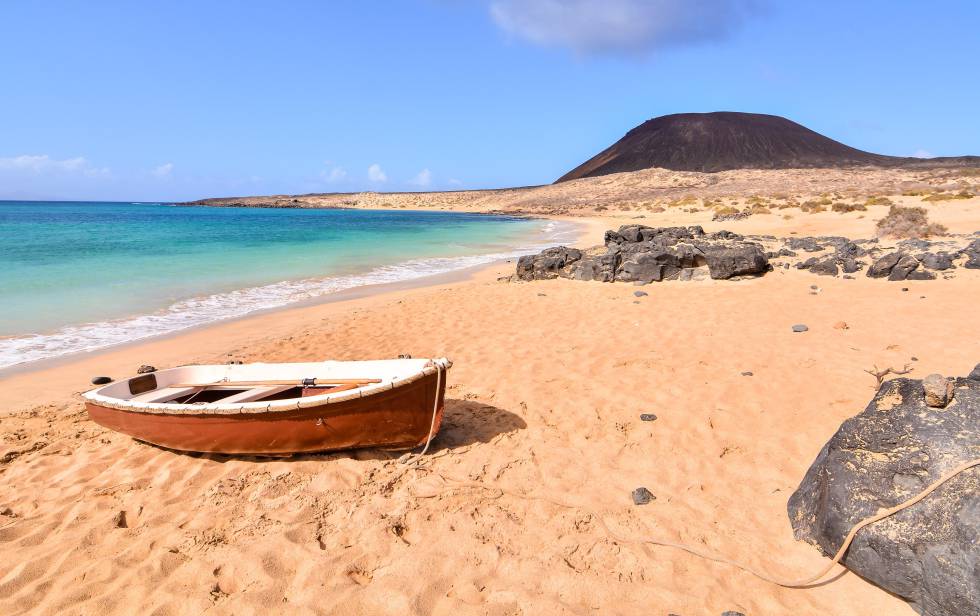
On this island, you’ll find paradise-like beaches, white sand and a volcanic landscape. The views and tranquillity invite you to relax and enjoy the natural surroundings. But if diving is your thing, it’s also an excellent spot for that, and even for extreme activities like kitesurfing or windsurfing.
You can reach the beaches on foot or by bike; you just need to follow the sandy trails. You can visit as a family, as a couple or with friends; there’s always something to do, whether it’s enjoying the beach or an outdoor activity.
Playa de las Conchas
This beach undoubtedly offers one of the most impressive views in all of the Canary Islands. It’s surrounded by wild scenery and watched over by Montaña Bermeja, a reddish-hued volcano. The sandy stretch is more than 600 metres long.
Its sand is golden and fine, but it’s not a beach suitable for swimming, as its waves and currents are very strong, posing a high risk.
Playa La Francesa
If you love water sports, this beach is ideal for snorkelling, as it’s sheltered from the open sea and free of waves. It’s a natural pool where you can observe the large number of fish living among its rocks.
You’ll also enjoy a panoramic view of the Famara Cliffs in Lanzarote from its shore.
Montaña Amarilla
Also known as Playa de la Cocina, it lies at the foot of Montaña Amarilla, a volcano that stands out for its yellow, ochre and reddish tones, creating a striking contrast with the blue of the sea. It’s a very small cove with calm, turquoise-green waters, sheltered from the wind by the volcano.
It’s about 15 minutes from Playa La Francesa and is perfect for relaxing, unwinding and taking the best photographs.
Playa Baja del Ganado
Located in the north of La Graciosa, this is an unspoilt beach with very few visitors. It sits on the open sea coast, which makes its waves and wind very strong, making it ideal for surfing. If you’re planning to swim, take great care.
You could also go on day trips around Lanzarote.
Boat Trips
From the island, you can book boat trips to the other islands of the archipelago, where you can admire the scenery of the area. These trips generally stop at a beach, where you can dive or snorkel and discover the beauty hidden beneath the waters around Lanzarote and its surroundings.
There are also other fun activities on offer, such as slides or rides on a giant inflatable banana boat. These trips usually last all day and include a typical local lunch.
On these tours, you’ll get to see the Chinijo Archipelago Marine Reserve. It covers 70,700 hectares, making it the largest in Europe. Fishing and the extraction of live species are prohibited in this area. It’s a fantastic spot for diving in La Graciosa, as the seabed is perfect for the activity, with cracks and caves home to a wide range of species and biodiversity.
Cycling Around the Island of La Graciosa
As we mentioned, one of the best ways to explore La Graciosa is by bike. The trails are clearly marked, and it’s best to stick to them, not just so you don’t get lost, but also to protect the landscape.
You might be wondering: do I need to bring my own bike to La Graciosa? You can if you’d like, but you’ll also find rental shops in Caleta de Sebo. They also offer support if anything goes wrong with the bikes.
That said, you should be reasonably fit or take it slowly, as the uneven terrain makes cycling a bit more challenging.
Enjoy the Food
Fishing is one of the island’s main economic activities, as these are fishing villages. As a result, the seafood dishes are affordable and very hearty. You’ll find restaurants serving the best of the local cuisine.
Don’t Miss the Chinijo Museum
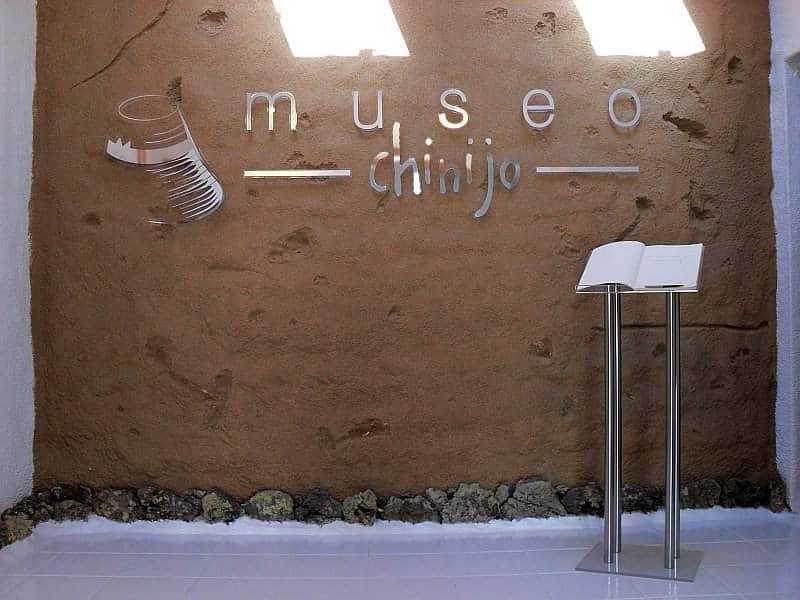
The Chinijo Museum is located in Caleta de Sebo, on the island of La Graciosa. Its opening hours are Monday to Saturday, from 10:00 am to 5:00 pm. Across its 70 square metres, it displays the natural riches of these Atlantic islands.
It has areas dedicated to cetaceans, salt, the Chinijo Archipelago, orchil lichen and aloe vera, among other things. For example, the waters around these islands were once home to the megalodon, the largest shark ever to exist, measuring up to 20 metres long.
Getting Around the Island of La Graciosa
There are no paved roads on the island of La Graciosa. That’s why the options for getting around are on foot, by bike or by 4×4.
For keen hikers, there are demanding trails that require planning due to the distances involved and the weather. The sun and wind are strong, there’s no shade, and you should carry plenty of water and sun protection.
Getting around by bike is the most popular option on La Graciosa. You can explore the island at your own pace. There are shops specialising in mountain and electric bike hire. The other option is to book one of the “rústicos” — the island’s open-air 4×4 taxis. They have a fixed stop in front of the port of Caleta del Sebo; you can pay for a transfer and pick-up to the beach, or book a guided tour of the island.
Frequently Asked Questions About La Graciosa
How much does the ferry cost?
The round-trip ferry price for non-resident adults is €29, and €16 for children. For Canary Islands residents, the round-trip price is €7.25 for adults and €4 for children.
What’s the best day to go?
The best day to visit La Graciosa depends on what you’re after. Typically, Tuesday to Thursday sees fewer tourists; Mondays and Fridays are moderately busy, and weekends see the largest number of visitors.
Can you visit in a single day?
Yes, the island is small and can be visited and enjoyed in a single day. With a well-planned itinerary, 8 to 10 hours on average will be enough.
Now you know what to do on the island of La Graciosa; on your next trip to Lanzarote, take the opportunity to hop over to this wonderful island. That way, you can enjoy a much more relaxed kind of tourism, in touch with nature. Get in touch if you need a transfer on arrival at Lanzarote airport.
References
- https://turismolanzarote.com/la-graciosa/
- https://www.holaislascanarias.com/la-graciosa/
This post is also available in:
Español (Spanish)